
Update on Impaired Driving Technologies
Smart Eye looks far too early in tooting its horn over the acquisition of Sightic.

In late February, NHTSA provided an update to Congress on the state of advanced impaired driving prevention technologies. The key section on vision-based driver monitoring reads:
Driver monitoring approaches aim to infer driver state based on behavior, typically through camera-based monitoring and vehicle inputs (e.g., vehicle lane position variability). While camera-based driver monitoring systems (DMS) are becoming more prevalent in advanced driver assistance systems, NHTSA has found most of these systems are intended to detect driver drowsiness, inattention, and sudden sickness. DMS-based approaches aim to detect indicators of driver alcohol impairment (such as eye glances, facial features, and vehicle kinematic metrics) and potentially provide some indication of the level of impairment. NHTSA will research characteristics of DMS-based impairment approaches as they are made commercially available and, more recently, has identified one announcement of an effort to introduce DMS for use in production vehicles.
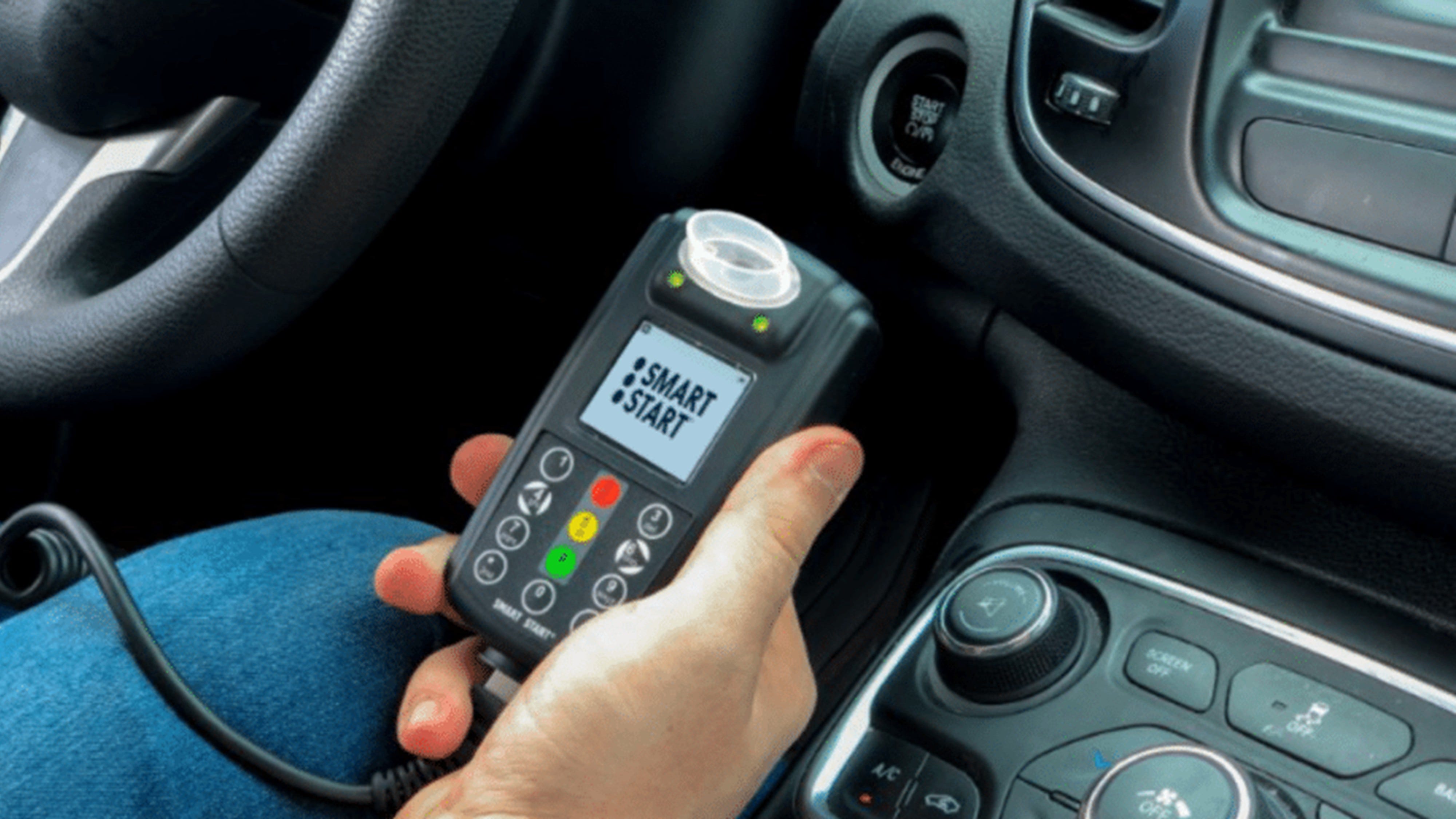
Source: Smart Start
In early February Smart Eye declared total victory in impaired driving technology leadership with the acquisition of startup Sightic Analytics. The analysis can be read here:

Let’s get in to the meaning of the NHTSA update as it relates to impaired driving legislation.